

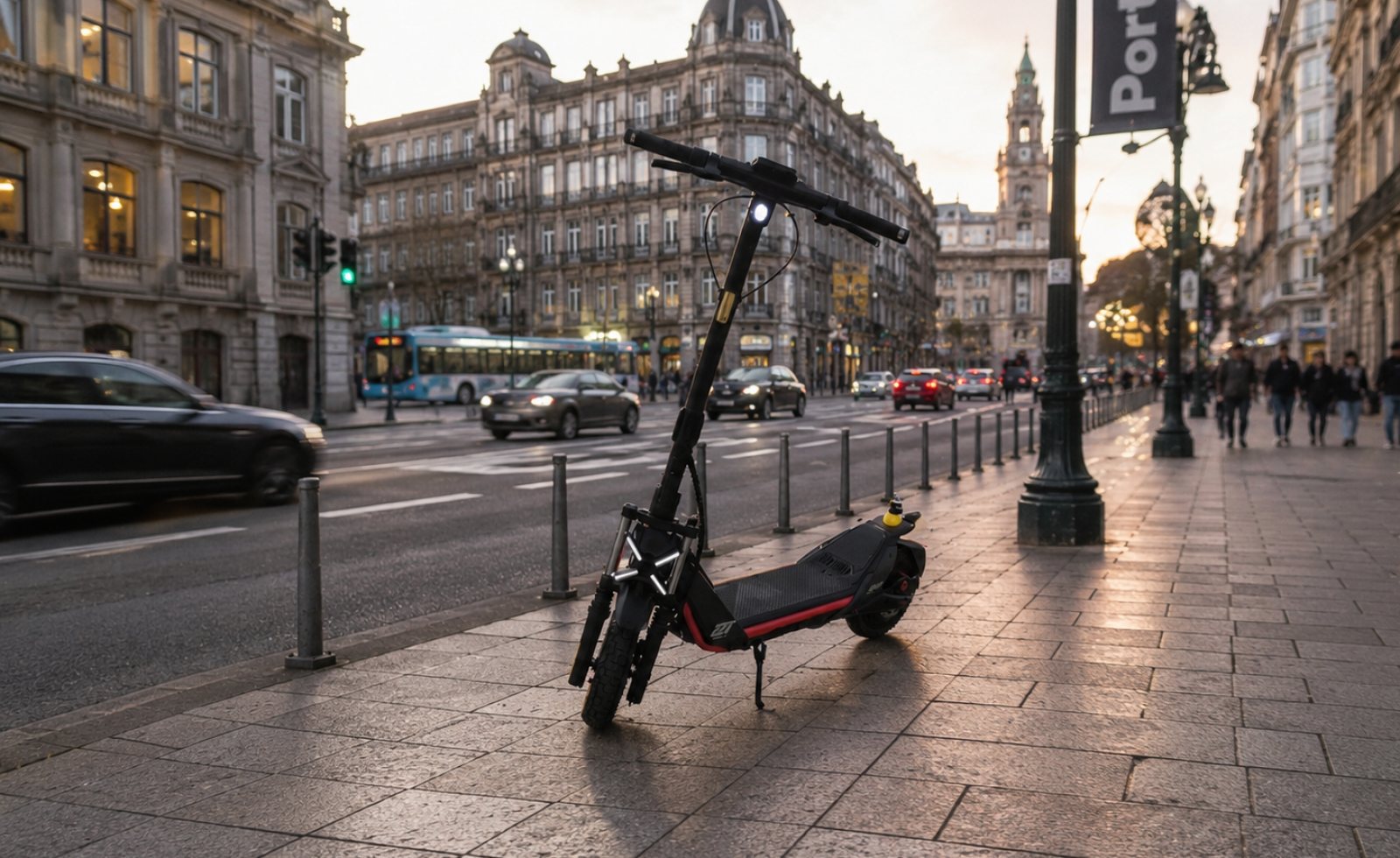
Quick verdict: the ZT3 Pro is a comfort-first “urban adventure” scooter
If you want one scooter that can handle cracked pavement, rough bike paths, and the occasional hard-packed dirt shortcut without feeling sketchy, the Segway eKickScooter ZT3 Pro is built for that job. The 11-inch tubeless tires and dual suspension give it a planted, confident ride that’s noticeably more forgiving than typical commuter scooters.
The trade-off is simple: it’s heavy and its real-world range is more average than the marketing makes it sound, especially if you ride near top speed. If your commute is long and you care more about miles-per-charge than ride comfort, Segway’s own Max-series style scooters (or competitors in that lane) can make more sense.
Segway ZT3 Pro real-world specs (what matters day to day)
- Top speed: up to ~24.9 mph (40 km/h) (US configuration varies by rules/region)
- Motor: 650 W nominal, up to 1600 W max/peak
- Battery: 597 Wh (46.8 V, 12.75 Ah)
- Claimed range: “range at max speed” is listed around 18.6 miles (30 km) under specific test conditions
- Hill rating: up to ~25% claimed max slope
- Weight: ~65.5 lb (29.7 kg)
- Payload: up to 265 lb (120 kg)
- Tires: 11-inch tubeless off-road tires
- Suspension: front dual telescopic + rear spring
- Brakes: front disc + rear disc + electronic brake
- Water resistance: IPX5 (rain resistant, not submersible)
- Charge time: about 4 ± 1 hours (with included charger; conditions vary)
My take: this spec sheet screams “stability and comfort first.” The wheel/tire size and suspension setup are the main reasons you buy the ZT3 Pro.
Ride quality: where the ZT3 Pro earns its price
On real streets—patchy asphalt, concrete seams, tree-root bumps—the ZT3 Pro feels like it’s designed to keep the front end calm. Those big 11-inch tubeless tires do a lot of work, and the suspension helps take the edge off repeated hits that normally rattle your hands and knees.
It’s not a featherweight “zip around and carry it” commuter. It rides more like a small, rugged vehicle: stable, predictable, and happier when you let it roll.
Range and battery: realistic expectations (especially at 20–25 mph)
The ZT3 Pro’s 597 Wh pack is decent, but the scooter’s weight and tire choice mean you shouldn’t buy it expecting miracle range. If you cruise fast, accelerate hard, or face hills, you’ll see a typical drop from advertised numbers.
- Best case (slower speeds, flatter terrain): you can stretch it, but it’s still not a “marathon” commuter scooter in this price class.
- Most common real use (mixed riding, faster speeds): expect an “average” practical range for a comfortable, rugged single-motor scooter.
Buyer tip: If your daily round trip is near the edge of what you think it can do, don’t cut it close—battery performance also drops in colder weather.
Speed and hills: strong for a single motor, but not a dual-motor rocket
In the US, the ZT3 Pro is positioned as a fast single-motor scooter with enough torque to feel lively. It holds speed better than basic commuters and can handle meaningful grades, but it’s still a single-motor platform. If you want aggressive hill acceleration at heavier rider weights, a dual-motor performance model will feel more effortless.
Where it shines is the confidence at speed: big tires + long, stable feel make 20+ mph less twitchy than smaller-wheel commuters.
Portability: the ZT3 Pro is heavy (plan for storage, not stairs)
At roughly 65.5 lb, this is not the scooter I’d choose if I had to carry it up apartment stairs every day or lift it into a trunk regularly. It folds, but the “real portability” is limited by mass and bulk.
- Great for: garage storage, ground-floor living, office bike rooms
- Not great for: frequent stair carries, bus-to-office carry, tight apartment storage
Safety and braking: good hardware, but expect a “setup and maintain” experience
The ZT3 Pro uses disc brakes plus electronic braking. That’s the right combo for a scooter that can push ~25 mph, but disc brakes are also a maintenance item: you’ll want to periodically check alignment, rotor rub, cable tension (if mechanical), and pad wear.
I also like that the scooter gives you app-level control over things like riding modes and regen behavior (depending on firmware/region). Just remember: regen is not a substitute for well-adjusted physical brakes.
Tires and maintenance: tubeless 11-inch tires are a big win
The ZT3 Pro’s 11-inch tubeless tires are one of the biggest quality-of-life features here. In practical terms, larger tubeless tires can mean fewer pinch-flat headaches and better stability on broken pavement (though any tire can still puncture).
- What I’d do immediately: keep tire pressure in the recommended window and check it weekly
- For mixed terrain riders: consider sealant if you routinely ride through debris-prone areas
Water resistance (IPX5): okay for rain, not for flooding
With an IPX5 rating, the ZT3 Pro is built for wet roads and rain splashes. That does not mean it’s safe for deep water crossings, pressure washing, or leaving it submerged. If you ride year-round, wipe it down, avoid deep puddles, and don’t store it soaking wet.
App features and ownership experience
Segway’s app ecosystem is a major part of the ZT3 Pro’s identity. Owners typically use it for activation, ride modes, and feature settings. The flip side: if your scooter has a pairing/activation issue, the experience can go from “smart” to “stuck” quickly.
In owner communities, the most credible recurring complaints tend to cluster around:
- Bluetooth pairing / activation / firmware quirks (especially early ownership)
- Customer support delays or inconsistent troubleshooting paths
- Hardware fasteners loosening (a common scooter-category issue, but still worth noting)
My recommendation: after the first few rides, do a careful bolt check (without over-torquing), and keep records of any app errors or unusual beeps/messages for warranty support.
Reliability, support, warranty, and parts (US context)
Segway is a mainstream brand with formal warranty documentation and a large customer base, which helps. However, “mainstream” doesn’t always equal “fast support,” and owner reports across forums and complaint channels suggest that resolution can depend heavily on the exact issue, the retailer you bought from, and how quickly you can provide logs/serials/proof of purchase.
- Parts availability: can be uneven for specific items (chargers and certain assemblies are common pain points across many scooter brands)
- Best practice: buy from a reputable US retailer with an easy return/exchange window, then register promptly and test everything (pairing, charging, lights, brakes) early
Segway ZT3 Pro alternatives (what I’d cross-shop)
- If you want longer range on-road: look at “commuter-max” style scooters (including Segway’s own Max-oriented models) that trade off off-road grip for efficiency.
- If you want lighter portability: choose a smaller-tire commuter in the ~35–45 lb class (you’ll lose comfort on rough roads, but gain daily carry convenience).
- If you want more hill domination: consider a dual-motor performance scooter (usually heavier and pricier, with higher maintenance demands).
Who should buy the Segway ZT3 Pro
- You ride rough pavement regularly and want a smoother, more stable feel.
- You want a single-motor scooter that feels confident at 20–25 mph.
- You value tubeless 11-inch tires and a more rugged stance for mixed surfaces.
- You have easy storage (garage/ground floor) and won’t carry it often.
Who should skip it
- You need to carry your scooter daily (stairs, transit, frequent trunk lifts).
- Your priority is maximum range per dollar on mostly smooth roads.
- You don’t want to deal with an app-dependent setup (activation/pairing) or potential firmware oddities.
Final verdict: a smart buy for comfort and control—if you can live with the weight
I’d describe the Segway ZT3 Pro as a comfort-first mixed-terrain commuter. It’s the scooter I’d pick when the route is ugly and I want to arrive less beat up. Just go in with clear expectations: range is good-but-not-class-leading, and the ownership experience can hinge on app behavior and support responsiveness.
If your rides are short-to-medium and your streets are rough, the ZT3 Pro’s big tires and suspension can feel like money well spent.
FAQ
How fast does the Segway ZT3 Pro go in the United States?
It’s rated up to about 24.9 mph (40 km/h), but actual max speed can vary based on region settings, rider weight, battery level, temperature, and local regulations.
What real-world range can I expect from the Segway ZT3 Pro?
Plan for an average real-world range if you ride near 20–25 mph or climb hills. Slower speeds on flatter routes extend range, while cold weather and heavy acceleration reduce it.
How much does the Segway ZT3 Pro weigh, and is it portable?
It’s about 65.5 lb. It folds, but it’s not “carry-friendly” for daily stairs or transit—best for garage/ground-floor storage.
Does the Segway ZT3 Pro have suspension, and is it good on rough roads?
Yes—front dual telescopic suspension and rear spring suspension. Combined with 11-inch tubeless tires, it’s notably more comfortable and stable on rough pavement than most commuter scooters.
Is the Segway ZT3 Pro waterproof?
It’s rated IPX5, meaning it can handle rain and splashes. It’s not designed for deep water, flooding, or pressure washing.
What brakes does the Segway ZT3 Pro use?
It uses a front disc brake, rear disc brake, and an electronic brake. Expect periodic brake checks and adjustments like you would on most disc-brake scooters.
Are the Segway ZT3 Pro tires tubeless, and do they get fewer flats?
Yes, they’re 11-inch tubeless tires. Tubeless setups can reduce pinch-flat issues and feel more stable, but they can still puncture—keeping proper tire pressure is key.
What are the most common complaints about the Segway ZT3 Pro?
The most consistent owner-reported pain points are app pairing/activation glitches, occasional charging or firmware-related odd behavior, and support turnaround time depending on the case.